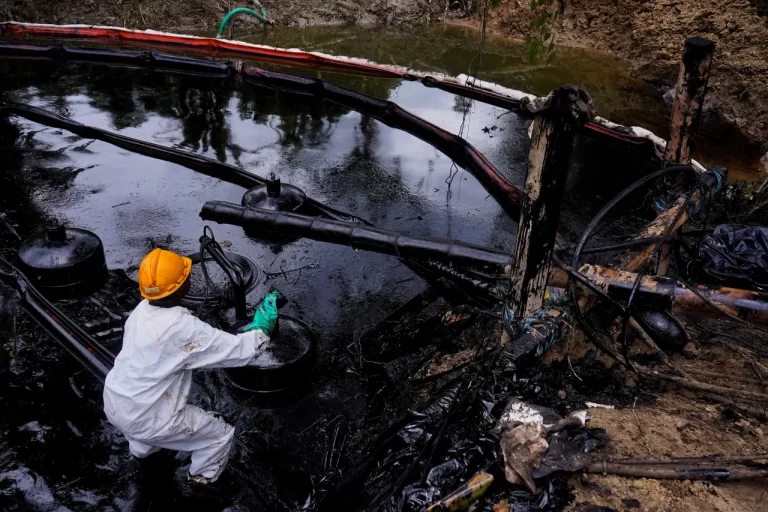
When most people think of pollution control, they associate it with environmental protection. While that’s true, the benefits extend much further, especially for businesses. Effective pollution control strategies not only help save the planet but also contribute to a company’s bottom line and operational resilience.
The Dual Impact of Pollution Control
Pollution control is about creating a balance between industrial growth and environmental stewardship. By adopting innovative solutions, businesses can:
- Reduce Environmental Harm: Minimize emissions, waste, and contaminants that harm ecosystems and communities.
- Optimize Business Operations: Enhance efficiency and reduce costs by streamlining processes and resource usage.
Pollution control is not an expense—it’s a strategic investment that yields measurable returns. A global beverage manufacturer implemented pollution control measures in its bottling plants, including water recycling and energy-efficient machinery. This reduced operating costs by 25% while earning recognition for sustainability.
How Pollution Control Supports Sustainability Goals
Pollution control aligns seamlessly with the United Nations’ Sustainable Development Goals (SDGs), particularly:
- Goal 12: Responsible consumption and production.
- Goal 13: Climate action through reduced greenhouse gas emissions.
- Goal 14 & 15: Protection of life below water and on land by preventing contamination.
Businesses that integrate pollution control into their strategies contribute directly to these global objectives, amplifying their impact beyond profit marg
Key Business Benefits of Pollution Control
- Strengthened Regulatory Compliance
Pollution control ensures adherence to environmental laws and standards, avoiding legal penalties and operational disruptions. Staying compliant also builds a company’s credibility among stakeholders. - Operational Efficiency and Cost Savings
Reducing waste and emissions often leads to energy conservation and optimized resource utilization. For instance:- Installing energy-efficient equipment can lower utility bills.
- Recycling initiatives reduce disposal costs and create new revenue streams.
- Enhanced Reputation and Market Position
Companies with robust pollution control measures are seen as socially responsible, attracting environmentally conscious customers and investors. - Improved Risk Management
Pollution control minimizes the likelihood of environmental hazards such as spills or contamination, reducing potential liabilities and remediation costs. - Access to New Markets and Opportunities
Many governments and organizations prefer suppliers and partners who meet strict environmental standards, giving pollution-conscious businesses a competitive edge.
The Role of Professional Pollution Control Services
Businesses can significantly benefit from partnering with specialized pollution control firms. These experts provide:
- In-Depth Assessments: Comprehensive evaluations of your operations to identify pollution hotspots.
- Customized Solutions: Tailored strategies that align with your operational goals and industry standards.
- Advanced Tools: Access to cutting-edge technologies such as carbon capture systems and automated waste sorters.
- Compliance Guidance: Support to navigate complex environmental regulations and secure necessary certifications.
Conclusion
Pollution control is no longer optional; it’s a vital aspect of running a successful and sustainable business. By implementing strategic pollution management measures, companies can protect the environment, optimize operations, and enhance profitability.
Partnering with industry professionals ensures the adoption of cutting-edge solutions tailored to your business needs. Ready to take your pollution control efforts to the next level? Contact us today for expert advice and comprehensive services.