Introduction
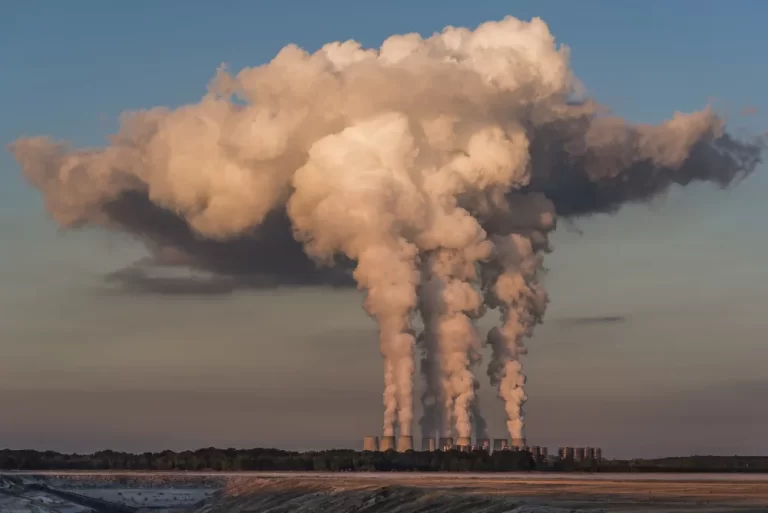
Pollution control has become a cornerstone of sustainable business practices. With increasing public awareness and stringent regulations, companies are under immense pressure to address their environmental impact. But pollution control isn’t just about compliance—it’s about ensuring the long-term health of both the planet and your business operations.
Companies like Toyota have invested in hybrid and electric vehicle production, significantly reducing air pollution caused by traditional engines.
This blog explores essential pollution control strategies, their benefits, and how businesses can effectively implement them to achieve both environmental and economic gains.
What Is Pollution Control?
Pollution control refers to the measures businesses take to reduce, eliminate, or prevent the release of harmful substances into the environment. These can include emissions, waste, and chemical contaminants that affect air, water, and soil quality.
Key types of pollution businesses often tackle:
- Air Pollution: Emissions from industrial processes, vehicles, or HVAC systems.
- Water Pollution: Discharge of untreated waste or chemicals into water bodies.
- Soil Pollution: Improper disposal of hazardous or non-biodegradable waste.
Why Pollution Control Is Critical for Businesses
- Environmental Responsibility:
Industries are significant contributors to pollution. Effective control measures protect ecosystems and natural resources, ensuring a healthier environment for future generations. - Legal Compliance:
Governments and international bodies are enforcing stricter pollution control regulations. Non-compliance can result in severe financial and legal consequences. - Economic Benefits:
Preventing pollution often leads to cost savings. For instance, energy-efficient equipment reduces emissions and operational expenses simultaneously. - Reputation Management:
Companies that prioritize pollution control build trust with stakeholders and customers. A strong environmental commitment can set businesses apart in competitive markets. - Risk Mitigation:
Reducing pollutants minimizes the risk of spills, leaks, and contamination events, which can be costly and time-consuming to address.
Effective Pollution Control Strategies
- Adopt Cleaner Production Practices:
Optimize processes to minimize waste and emissions. For example, switching to non-toxic raw materials or energy-efficient machinery can significantly reduce pollution. - Install Pollution Control Equipment:
- Air Scrubbers: Capture and neutralize harmful gases and particulates.
- Wastewater Treatment Plants: Ensure water discharged from operations meets safety standards.
- Solid Waste Compactors: Reduce the volume of waste sent to landfills.
- Switch to Renewable Energy Sources:
Solar, wind, or geothermal energy reduces greenhouse gas emissions and reliance on fossil fuels. - Implement a Robust Waste Management Plan:
Proper segregation, recycling, and disposal of waste prevent pollution from spreading into the environment. - Employee Training and Engagement:
Educate staff about pollution control methods, empowering them to adopt eco-friendly habits in the workplace.
Benefits of Professional Pollution Control Services
- Tailored Solutions:
Experts assess your operations to design pollution control measures that align with your business goals. - Compliance Assurance:
Professional services ensure adherence to all local and international regulations, reducing the risk of penalties. - Cutting-Edge Technology:
Specialized firms bring advanced tools and techniques, such as real-time emissions monitoring systems, for effective pollution management. - Cost Savings:
By optimizing your processes, professionals help you reduce waste and lower operational expenses.
Conclusion
Pollution control is not just a regulatory obligation—it’s an opportunity to innovate, save costs, and contribute positively to the planet. By adopting the strategies outlined above, businesses can transform their operations to be more sustainable and efficient.
Whether you’re seeking guidance or hands-on support, partnering with experts can ensure your pollution control measures deliver maximum impact. Ready to take the next step? Contact us today to learn more about customized solutions for your business.